
Valencia Region
 Valencia Region: paella, beaches and Mediterranean lifestyle class=wp-image-1000 style=width:768px;height:auto/ loading=”lazy” decoding=”async”>
Valencia Region: paella, beaches and Mediterranean lifestyle
The Valencia Region (Comunidad Valenciana) stretches along Spain’s eastern Mediterranean coast, offering over 500 kilometers of beautiful beaches, the birthplace of paella, vibrant festival culture, and a perfect Mediterranean climate with over 300 days of sunshine annually. This autonomous community comprises three provinces – Castellón, Valencia, and Alicante – each contributing distinct character while sharing the fundamental Valencian love of rice, fresh seafood, and outdoor Mediterranean living. From Valencia city’s futuristic City of Arts and Sciences to Alicante’s palm-lined promenades, from the orange groves of the fertile huerta to the dramatic cliffs of Costa Blanca, the region combines innovation with tradition in ways that create unforgettable experiences for visitors seeking authentic Spanish Mediterranean culture.
The Valencia Region has developed its own cultural identity with the Valencian language (a Catalan variety), unique traditions like Las Fallas festival where massive sculptures are burned in spectacular displays, and a cuisine centered on rice prepared in countless variations. The region balances tourism development along the costa with preservation of inland agricultural traditions, creating diversity that allows visitors to experience both resort comforts and authentic rural Spanish life within short distances. Whether you’re seeking beach holidays, cultural city breaks, festival excitement, or culinary adventures, the Valencia Region delivers genuine Mediterranean experiences with the warmth and hospitality that defines Spain’s eastern coast.
Valencia, Alicante, and coastal cities
Valencia city, Spain’s third-largest metropolis, perfectly blends historic charm with futuristic vision through Santiago Calatrava’s Ciudad de las Artes y las Ciencias, a stunning complex of contemporary architecture contrasting with the medieval Silk Exchange and Gothic cathedral. The city’s Turia Gardens occupy the former riverbed, creating 9 kilometers of green space perfect for cycling and walking. Valencia is paella’s birthplace and maintains strong culinary traditions alongside innovation. Explore our detailed Valencia city guide. Alicante, the region’s second city, features palm-lined Explanada promenade, imposing Santa Bárbara Castle with panoramic views, lively nightlife, and beautiful beaches. The city provides gateway to Costa Blanca resorts. Castellón de la Plana offers authentic Spanish city experience without heavy tourism, traditional ceramics industry, and proximity to mountain villages. Benidorm, while heavily developed, provides excellent beaches, entertainment, and family facilities. Elche (Elx) features Europe’s largest palm grove, a UNESCO site with over 200,000 palms creating urban oasis, plus the unique Mystery Play of Elche medieval drama performed annually.
Las Fallas and festival culture
Las Fallas (March 15-19) is Valencia city’s most spectacular festival and one of Spain’s most extraordinary celebrations, when giant satirical sculptures (fallas) fill every neighborhood before being burned in massive bonfires on the final night (La Cremà). The festival includes daily mascletás (deafening firecracker displays in Plaza Ayuntamiento), parades with traditional dress, flower offerings creating huge Virgin Mary figure from fresh flowers, and non-stop celebrations culminating in the cremà when all fallas except the winning one are set ablaze in spectacular conflagration. The combination of art, pyrotechnics, tradition, and sheer excess creates unforgettable experience. Moros y Cristianos festivals throughout the region, particularly in Alcoy, reenact medieval battles between Moors and Christians with elaborate costumes, mock battles, and parades celebrating the Reconquista. Tomatina in Buñol (last Wednesday of August) is the world-famous tomato fight where thousands throw tons of tomatoes in massive food fight. These festivals showcase Valencian love of celebration, community, and spectacular displays that welcome visitor participation.
Costa Blanca and Mediterranean beaches
The Costa Blanca (White Coast) stretches through Alicante province offering diverse beach experiences from family resorts to pristine natural coves. Benidorm features two excellent beaches (Levante and Poniente) with all facilities, water sports, and vibrant atmosphere, making it Europe’s beach resort capital despite its reputation. Calpe is dominated by the Peñón de Ifach rock formation rising from the sea, with good beaches and traditional town center behind modern development. Jávea (Xàbia) offers beautiful coves, pebble beaches, and more upscale atmosphere attractive to northern European residents. Altea maintains charming old town with white houses, blue-domed church, and artistic community alongside its beach. Dénia combines resort facilities with working port, castle, and excellent gastronomy, serving as ferry port to Balearic Islands. North of Valencia city, beaches become less developed with natural dunes and local character. The region’s beaches enjoy excellent climate, clean waters, and good facilities while offering choices between busy resort atmosphere and quieter authentic coastal towns.
Paella and Valencian rice culture
Valencia is the undisputed birthplace of paella, Spain’s most famous dish, and rice culture permeates the entire region. Authentic paella Valenciana contains rabbit, chicken, and local beans (not seafood, which creates different dish called paella marinera or paella mixta), cooked in wide shallow pans over wood fires creating the prized socarrat (crispy bottom layer). The Albufera natural park south of Valencia city has produced rice for centuries in traditional paddies, with villages like El Palmar hosting restaurants serving exceptional paella in rustic settings. Beyond paella, Valencians prepare rice dozens of ways: arrós al forn (oven-baked rice), arrós negre (black rice with squid ink), arrós amb fesols i naps (rice with beans and turnips). Fideuà uses short noodles instead of rice in similar preparation. All i pebre (eel in garlic sauce) from Albufera showcases traditional fishing heritage. Horchata, sweet tiger nut milk served ice-cold, is Valencia’s signature drink, paired with fartons (long sweet pastries) for dunking. The region’s love of rice extends from humble family meals to Michelin-starred restaurants creating innovative rice dishes.
Practical travel information
Best time to visit: April-June and September-October offer ideal weather. March is special for Las Fallas. July-August are hot and crowded on coast. Winter is mild and pleasant for city visits.
Getting around: High-speed trains connect Valencia with Madrid and Barcelona. Good regional trains serve coastal towns. Metro systems in Valencia and Alicante cities. Car rental useful for exploring inland villages and less accessible beaches.
Language: Valencian (Valencià, a Catalan variety) is co-official with Spanish. Everyone speaks Spanish, many speak English in tourist areas. Signs and menus often bilingual.
Costs: Moderate compared to Barcelona or Madrid. Good value accommodation and dining available. Beach resorts more expensive in summer. Valencia city offers good mid-range options.
Frequently asked questions about Valencia Region
- What is the best base for exploring Valencia Region? Valencia city offers central location, excellent transport connections, cultural attractions, and easy beach access. Alicante works for Costa Blanca focus. Smaller towns like Dénia or Jávea for quieter beach holidays.
- Where can you eat the best paella? El Palmar villages in Albufera near Valencia city serve authentic paella in traditional settings. La Pepica and Casa Carmela in Valencia city are legendary. Avoid tourist area paellas which are often poor quality.
- Is Costa Blanca too touristy? Parts like Benidorm are heavily developed, while areas like Jávea, Altea, and Dénia maintain character. Northern sections and between resort towns offer quieter authentic experiences. Choose carefully based on preferences.
- Can you visit Valencia Region year-round? Yes, mild winters make city sightseeing pleasant November-March. Beach season is May-October. Las Fallas in March is unmissable if you can handle crowds and noise.
Ready to explore Valencia Region? Start with our comprehensive Valencia city guide, or discover other Spanish regions in our Spanish Regions overview.
-
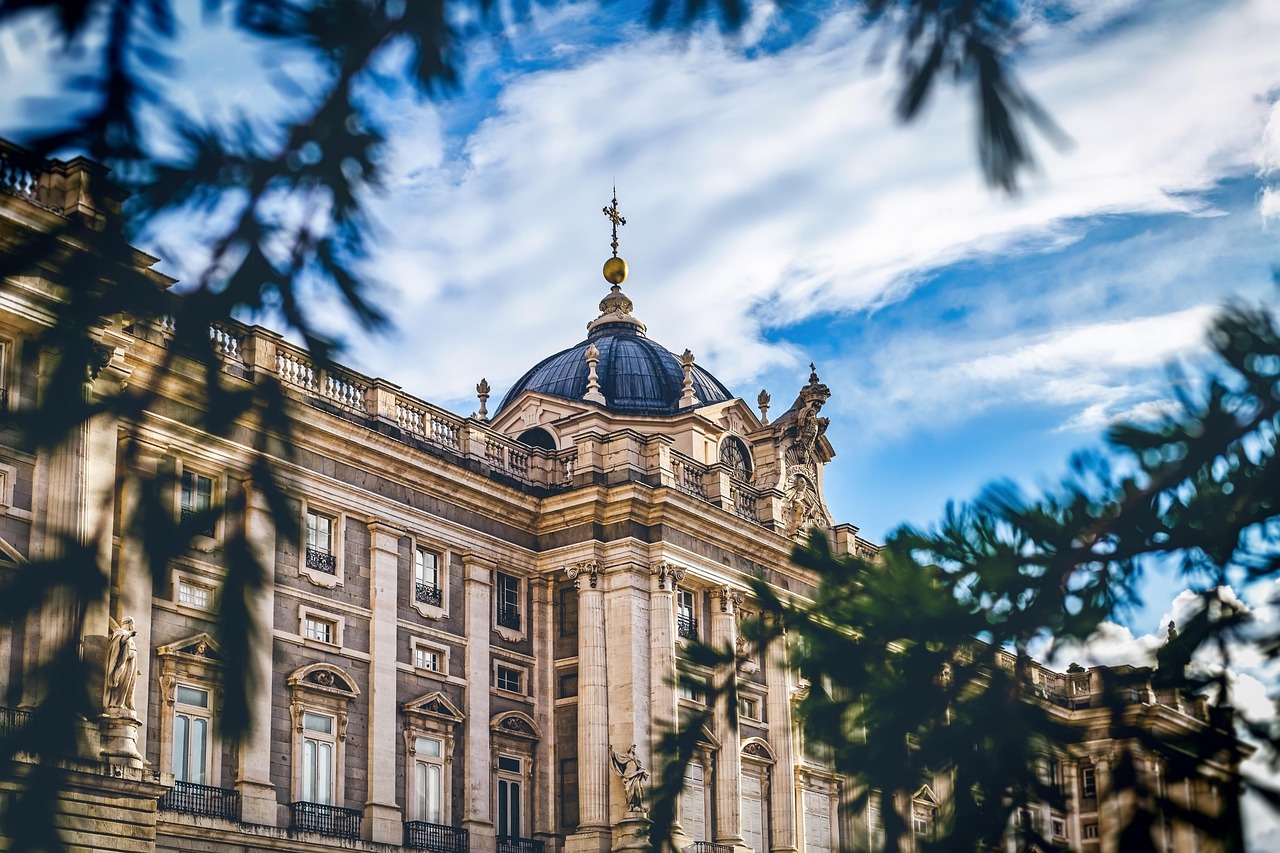
Spain Residency Requirements: Complete Guide for EU and Non-EU Citizens
-
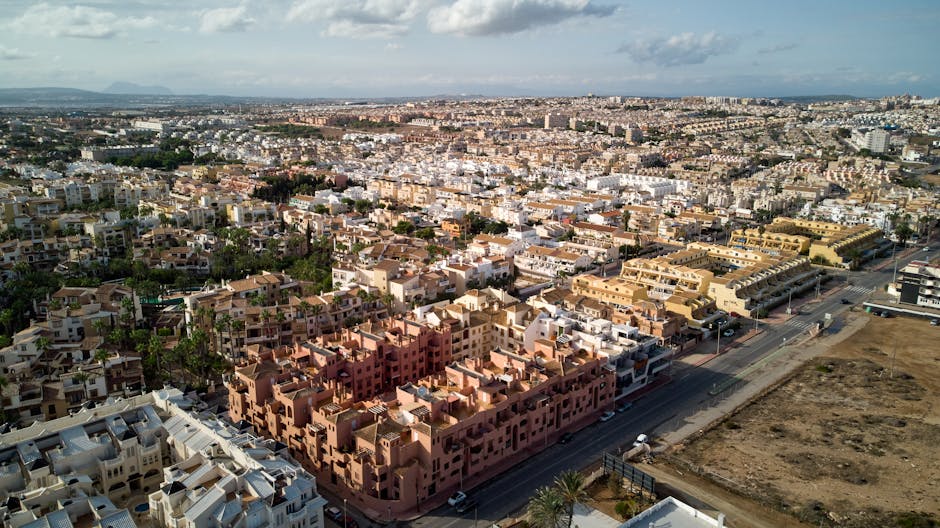
Best Areas to Live in Spain: Top 10 Destinations for Expats
-

Moving to Spain: The Complete Practical Guide for Expats (Free E-Book)
-
Transportation Connections in Spain: Complete Guide
-
General Healthcare in Spain: Guide for Tourists and Expats
-

Religions in Spain: Guide to Religious Practices and Places of Worship