
Andalusia
 Andalusia: passion, flamenco and Moorish heritage class=wp-image-1000 style=width:768px;height:auto/ loading=”lazy” decoding=”async”>
Andalusia: passion, flamenco and Moorish heritage
Andalusia, Spain’s largest and most populous autonomous community, embodies the passionate spirit and rich cultural heritage that define the quintessential image of Spain for many visitors. This sun-drenched southern region offers an extraordinary blend of Moorish architectural wonders, vibrant flamenco traditions, dramatic landscapes, and warm Mediterranean hospitality. From the magnificent Alhambra palace in Granada to the iconic Mezquita in Córdoba, from Seville’s passionate Semana Santa processions to the white villages cascading down mountainsides, Andalusia presents an unforgettable journey through Spanish history and culture. The region’s diverse geography encompasses the snow-capped Sierra Nevada mountains, vast olive groves stretching to the horizon, golden beaches along the Costa del Sol and Costa de la Luz, and the unique wetlands of Doñana National Park.
With over 300 days of sunshine annually and a climate that ranges from Mediterranean coastal warmth to alpine mountain conditions, Andalusia offers year-round appeal for every type of traveler. The region’s eight provinces – Almería, Cádiz, Córdoba, Granada, Huelva, Jaén, Málaga, and Seville – each contribute unique character and attractions while sharing the fundamental Andalusian spirit of alegría (joy), artistic expression, and cultural pride that makes this region one of Spain’s most captivating destinations.
Major cities and urban treasures
Andalusia’s cities are among Spain’s most beautiful and historically significant. Seville, the regional capital, enchants with its magnificent cathedral and Giralda tower, stunning Alcázar palace with Moorish gardens, atmospheric Santa Cruz neighborhood, and passionate flamenco culture. The city embodies Andalusian spirit through its festivals (Semana Santa, Feria de Abril), tapas culture, and riverside charm along the Guadalquivir. Granada is dominated by the breathtaking Alhambra, the pinnacle of Moorish architecture in Spain, while the Albaicín neighborhood offers winding streets, tea houses, and stunning views. Córdoba houses the unique Mezquita mosque-cathedral, a UNESCO World Heritage site showcasing the region’s Islamic heritage, with beautiful patios and Jewish Quarter. Málaga combines beach resort appeal with cultural attractions including Picasso Museum and vibrant urban energy. Explore Seville and other Andalusian cities in our detailed city guides.
Flamenco, festivals, and cultural traditions
Andalusia is the birthplace and heartland of flamenco, the passionate art form combining singing, guitar, and dance that expresses the deepest emotions of Andalusian culture. The region’s cities host authentic flamenco performances in intimate tablaos and peñas (flamenco clubs), while major festivals celebrate this living tradition. The region’s festival culture is legendary, with Seville’s Semana Santa featuring elaborate religious processions with hooded penitents and ornate floats, while the Feria de Abril transforms the city into a week-long celebration of horse parades, traditional dress, and casetas (party tents). Córdoba’s Patio Festival opens private courtyards filled with flowers and fountains to visitors. Jerez celebrates its sherry heritage and Andalusian horse culture. These festivals showcase Andalusia’s deep connection to tradition, community, and celebration that defines the regional character beyond tourist attractions.
Diverse landscapes and natural beauty
Andalusia’s geography is remarkably diverse, creating stunning landscapes and varied outdoor experiences. The Sierra Nevada mountain range includes mainland Spain’s highest peak (Mulhacén at 3,479m) and Europe’s southernmost ski resort, offering winter sports just hours from tropical Mediterranean beaches. The white villages (pueblos blancos) of Cádiz and Málaga provinces cling to mountainsides with their distinctive whitewashed houses, narrow streets, and Moorish character creating postcard-perfect scenes. Doñana National Park, one of Europe’s most important wetlands, protects diverse ecosystems and rare species including the Iberian lynx. The Costa del Sol and Costa de la Luz offer hundreds of kilometers of beaches from busy resort towns to pristine natural shores. Vast olive groves, particularly in Jaén province, produce much of the world’s olive oil, creating distinctive landscapes of silver-green trees stretching to horizons.
Andalusian cuisine and gastronomy
Andalusian cuisine reflects the region’s agricultural abundance, Mediterranean and Atlantic seafood, and Moorish influences that introduced almonds, citrus, and complex spice combinations. Signature dishes include gazpacho and salmorejo, refreshing cold soups perfect for hot summers; pescaíto frito (fried fish) showcasing the freshest catch; jamón ibérico from acorn-fed pigs in the dehesas; and countless tapas variations that make bar-hopping a cultural institution. Sherry from the Jerez region is Andalusia’s signature drink, with fino, manzanilla, amontillado, and Pedro Ximénez varieties pairing perfectly with local cuisine. The region’s olive oil from Jaén and other provinces is considered among the world’s finest. Andalusian dining culture emphasizes sharing, socializing, and taking time to enjoy meals rather than rushing through them, perfectly embodying the relaxed southern Spanish lifestyle.
Practical travel information for Andalusia
Best time to visit: Spring (April-June) and autumn (September-November) offer ideal weather. Summer is extremely hot (often 40°C+) especially inland, though beaches remain pleasant. Winter is mild and perfect for city sightseeing.
Getting around: High-speed AVE trains connect Seville, Córdoba, and Málaga with Madrid efficiently. Regional trains and buses serve smaller towns. Car rental provides flexibility for exploring white villages and rural areas. Andalusia’s cities are walkable with good local transport.
How long to visit: A week covers highlights of 3-4 major cities. Two weeks allows thorough exploration including white villages and coast. Each major city deserves 2-3 days minimum for proper appreciation.
Frequently asked questions about Andalusia
- What is the best route through Andalusia? The classic route combines Seville (3 days), Córdoba (2 days), Granada (3 days), and optional Costa del Sol or white villages. Start in Málaga or Seville depending on arrival point.
- Is Andalusia safe for travelers? Yes, Andalusia is generally very safe. Standard precautions about pickpockets in crowded tourist areas apply, but serious crime against tourists is rare.
- When can you see flamenco in Andalusia? Authentic flamenco is available year-round in Seville, Granada, and Jerez at dedicated venues. Avoid touristy dinner shows; seek out peñas or quality tablaos recommended by locals.
- How hot does Andalusia get in summer? Inland cities like Seville and Córdoba regularly exceed 40°C (104°F) in July-August. Coastal areas are more moderate. Many locals take afternoon siesta during peak heat.
Ready to explore Andalusia? Discover our detailed guides to Seville, Granada, and other Andalusian cities, or explore the region’s cultural attractions and natural wonders in our comprehensive travel guides.
-
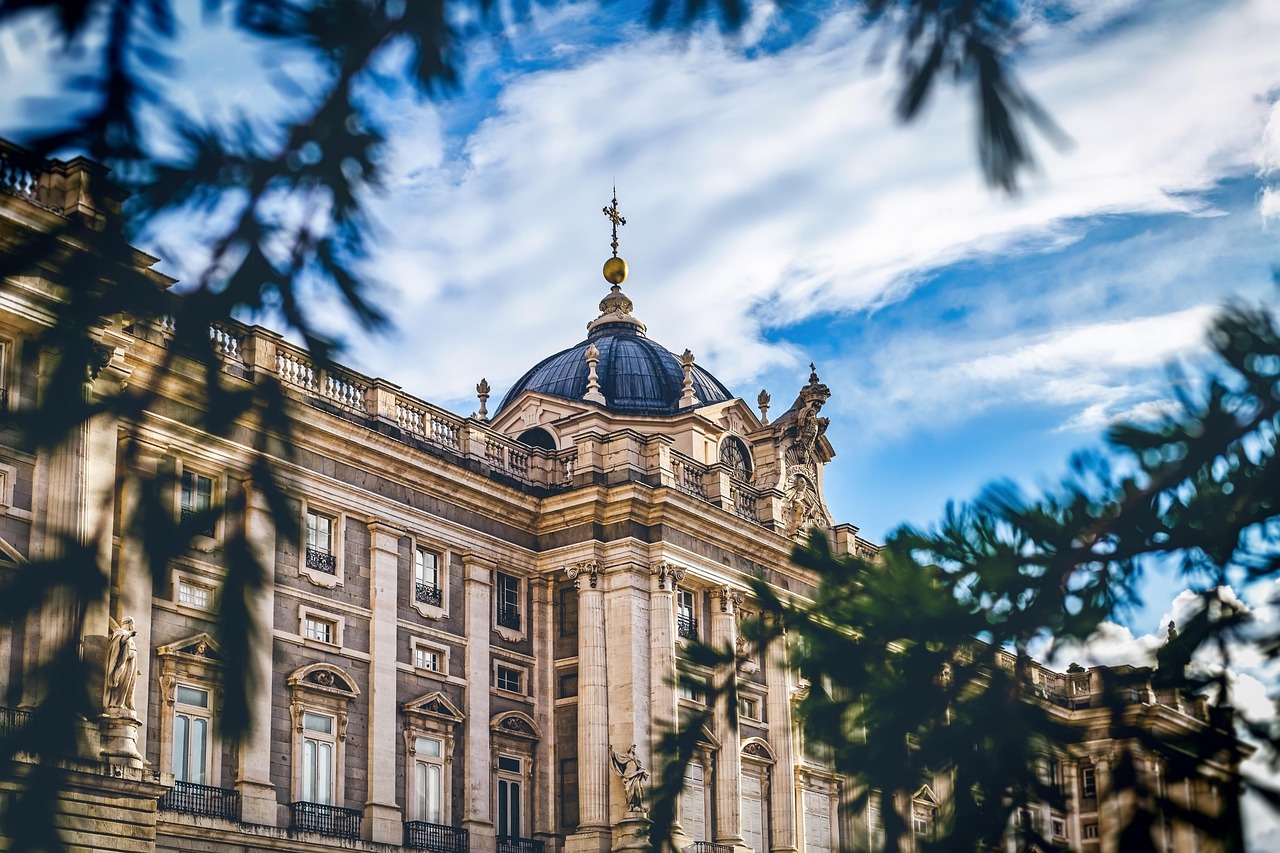
Spain Residency Requirements: Complete Guide for EU and Non-EU Citizens
-
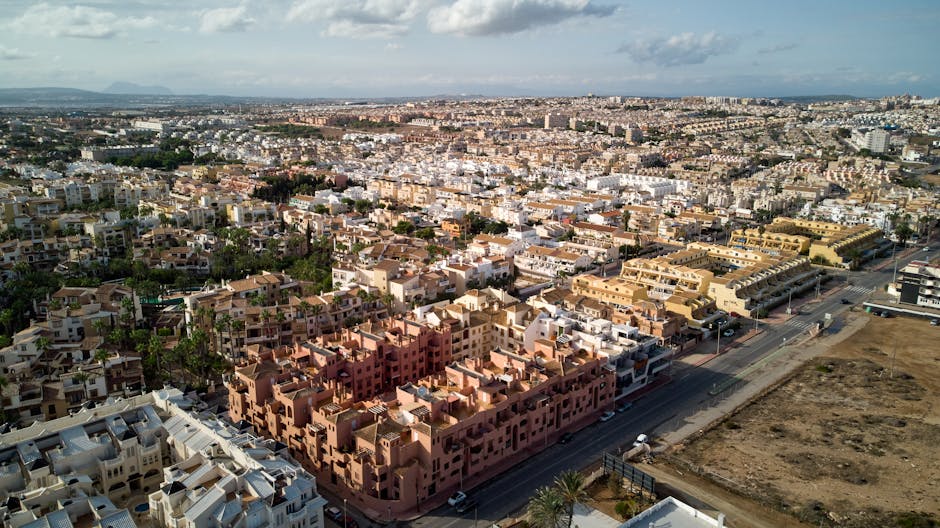
Best Areas to Live in Spain: Top 10 Destinations for Expats
-

Moving to Spain: The Complete Practical Guide for Expats (Free E-Book)
-
Transportation Connections in Spain: Complete Guide
-
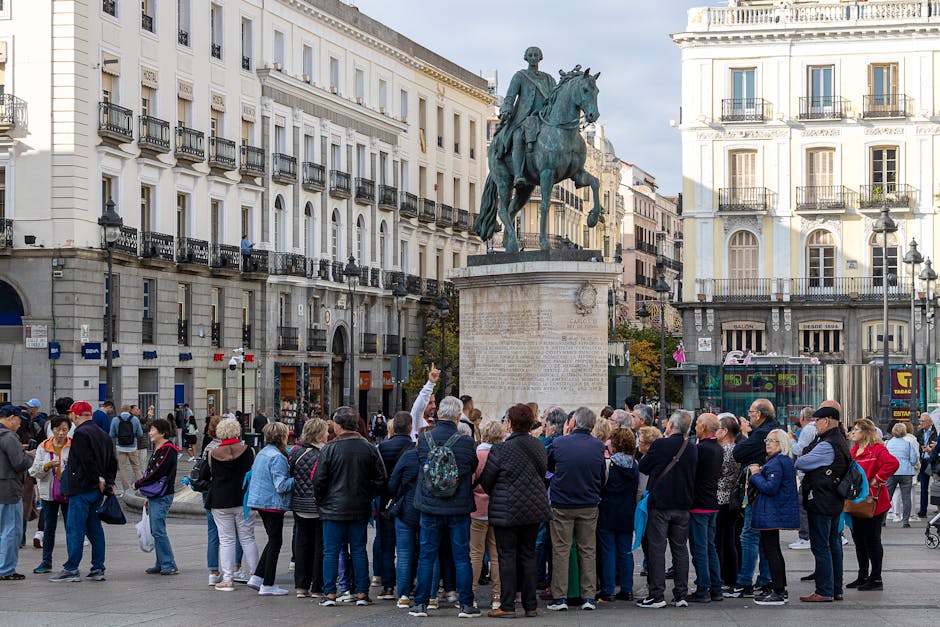
General Healthcare in Spain: Guide for Tourists and Expats
-

Religions in Spain: Guide to Religious Practices and Places of Worship