
Ontdek de Sagrada Familia: Iconisch Meesterwerk in Barcelona
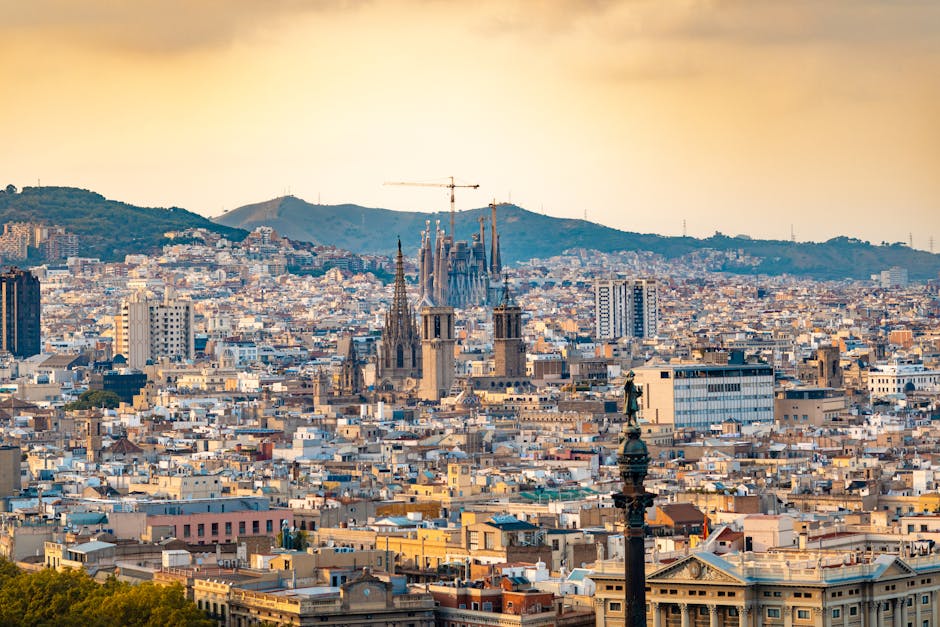
Sagrada Familia
The Sagrada Familia stands as one of the most iconic landmarks in Barcelona, a masterpiece of architectural genius that has captivated visitors for over a century. Designed by the visionary Antoni Gaudí, this basilica is more than just a religious monument—it’s a symphony of light, nature, and spirituality woven into stone. From the moment you approach its towering spires, you’re struck by the sheer scale and intricate details that seem to defy the laws of physics. The basilica’s construction began in 1882, and though it remains unfinished, it has already earned UNESCO World Heritage status and become a symbol of Barcelona’s artistic soul. Whether you’re an architecture enthusiast, a history buff, or simply a traveler seeking awe-inspiring sights, the Sagrada Familia promises an unforgettable experience. For those planning a visit, combining it with other Gaudí landmarks like Park Güell or Casa Batlló can make for a perfect day exploring the city’s modernist treasures. The interplay of stained glass, organic shapes, and biblical symbolism creates a sensory overload that lingers long after you’ve left its hallowed halls.
Ontdek De Sagrada Familia: Table of Contents
- The Architectural Marvel of Sagrada Familia
- Experiencing the Sagrada Familia: Tips and Insights
- Frequently asked questions about Sagrada Familia
- Conclusion
The Architectural Marvel of Sagrada Familia
The Sagrada Familia is a testament to Antoni Gaudí’s unparalleled creativity, blending Gothic and Art Nouveau styles with his unique organic vision. Every inch of the basilica is infused with meaning, from the towering facades depicting the Nativity, Passion, and Glory of Christ to the forest-like columns that stretch toward the ceiling like ancient trees. Gaudí drew inspiration from nature, believing that divine geometry could be found in the curves of leaves, the spirals of seashells, and the branching of trees. This philosophy is evident in the basilica’s interior, where sunlight filters through kaleidoscopic stained glass, casting vibrant hues that shift with the time of day. The Nativity Facade, the only one completed during Gaudí’s lifetime, is a riot of sculpted flora, fauna, and biblical scenes, while the Passion Facade’s stark, angular figures convey the suffering of Christ with dramatic intensity. The Glory Facade, still under construction, will eventually serve as the main entrance, symbolizing humanity’s path to salvation. Gaudí’s original plans were lost during the Spanish Civil War, but modern architects have painstakingly reconstructed his vision using surviving models and fragments, ensuring that his legacy endures.
Beyond its visual splendor, the Sagrada Familia is a feat of engineering that pushes the boundaries of what’s possible in architecture. The hyperboloid vaults and twisting columns distribute weight in ways that challenge conventional design, allowing for the basilica’s unprecedented height and open spaces. Gaudí’s use of catenary arches—a shape formed by a hanging chain—creates a sense of weightlessness, as if the stone is floating effortlessly. The central nave, once completed, will reach 170 meters, making it the tallest church building in the world. Visitors can ascend the towers for panoramic views of Barcelona, though the climb is not for the faint-hearted, with narrow spiral staircases that evoke the sensation of scaling a medieval fortress. The ongoing construction, funded entirely by donations and ticket sales, is a reminder that great art is often a work in progress. Estimates suggest the basilica will be completed by 2026, the centenary of Gaudí’s death, but even unfinished, it remains a must-see for anyone visiting Barcelona.
Experiencing the Sagrada Familia: Tips and Insights
Visiting the Sagrada Familia is a transformative experience, but planning ahead can make the difference between a rushed tour and a deeply immersive encounter. Tickets often sell out days in advance, especially during peak seasons, so booking online is essential to avoid long queues. Opting for a guided tour provides invaluable context, as the basilica’s symbolism and architectural innovations are not always obvious to the untrained eye. Audio guides are also available, offering detailed commentary in multiple languages, but nothing compares to the insights of a knowledgeable human guide. The best time to visit is early morning or late afternoon, when the sunlight streams through the stained glass, bathing the interior in ethereal reds, blues, and greens. Photography enthusiasts will want to capture this interplay of light and color, though tripods are not permitted inside to preserve the sacred atmosphere.
For those seeking a deeper connection to Gaudí’s vision, the Sagrada Familia Museum in the basement offers a fascinating glimpse into the architect’s creative process. Here, you’ll find original sketches, scale models, and even Gaudí’s death mask, shedding light on the man behind the masterpiece. Nearby, the Escola de la Sagrada Familia—a school Gaudí designed for the children of construction workers—is a charming example of his practical yet whimsical approach to design. After exploring the basilica, take a moment to relax in the adjacent Plaça de Gaudí, where a reflecting pool offers a stunning mirrored view of the facades. Pairing your visit with a stroll through the Eixample district, home to other modernist gems, completes the Gaudí experience. Whether you’re drawn to the spiritual, the artistic, or the sheer audacity of human ambition, the Sagrada Familia leaves an indelible mark on all who enter its doors.
Frequently asked questions about Sagrada Familia
When will the Sagrada Familia be finished? The current estimated completion date is 2026, marking the 100th anniversary of Gaudí’s death. However, construction timelines have shifted over the decades due to funding challenges, technical complexities, and historical disruptions like the Spanish Civil War. The final phase focuses on the Glory Facade and central towers, including the towering Jesus Christ spire that will crown the basilica. Even after the main structure is complete, intricate detailing and interior finishes may continue for additional years. Visitors today can witness the ongoing work, which adds a dynamic layer to the experience of this living monument.
Is it worth visiting the Sagrada Familia before it’s finished? Absolutely. The unfinished state of the Sagrada Familia is part of its magic, offering a rare glimpse into the evolution of a architectural masterpiece. Much of the interior is complete, and the existing facades and towers are breathtaking in their detail and scale. The contrast between Gaudí’s original sections and the modern additions also sparks fascinating conversations about art, legacy, and collaboration across generations. Many visitors find that the ongoing construction enhances their appreciation for the project’s ambition and the dedication of those carrying it forward.
How much time should I allocate for a visit? A thorough exploration of the Sagrada Familia requires at least two to three hours, especially if you plan to visit the towers, museum, and gift shop. Guided tours typically last 90 minutes, but independent visitors may want extra time to absorb the details at their own pace. Those with a deep interest in architecture or Gaudí’s work might spend half a day immersing themselves in every facet of the site. Remember that the basilica is a place of worship as well as a tourist attraction, so allow moments of quiet reflection amidst the crowds.
What’s the best way to appreciate Gaudí’s architectural genius? Start by observing how natural forms—trees, honeycombs, waves—are abstracted into structural elements. Notice how light transforms the space throughout the day, and take time to study the facades’ sculptural narratives up close. Climbing the towers offers a unique perspective on the building’s verticality and the city beyond. Reading about Gaudí’s life and philosophy beforehand enriches the experience, as does comparing the Sagrada Familia to his other works like Casa Milà or Park Güell. Ultimately, the best approach is to engage all your senses, from the play of colored light on your skin to the echo of footsteps in the vast nave.
Conclusion
The Sagrada Familia is more than Barcelona’s most famous landmark—it’s a living testament to human creativity, faith, and perseverance. Gaudí’s vision transcends time, inviting us to see the divine in the natural world and the extraordinary in the everyday. From its symbolic facades to its groundbreaking engineering, every element tells a story that resonates across cultures and generations. Whether you’re marveling at the kaleidoscopic light show inside or tracing the biblical scenes carved into stone outside, the basilica offers endless layers of discovery. Its unfinished state reminds us that great things take time, and that beauty often lies in the journey as much as the destination.
For travelers planning their Barcelona itinerary, the Sagrada Familia deserves top billing alongside other Catalan treasures. Pair your visit with Gaudí’s Park Güell for a full day of modernist wonder, or explore the Gothic Quarter’s medieval charm for contrast. Remember to book tickets in advance, consider a guided tour for deeper insights, and wear comfortable shoes for exploring the towers. Above all, approach the Sagrada Familia with an open heart and mind, ready to be transformed by one of the world’s most extraordinary architectural achievements. As Gaudí himself said, “Originality is returning to the origin,” and in this sacred space, you’ll feel connected to something timeless and profound.