
Top Beaches Near Malaga City: Hidden Gems & Favorites
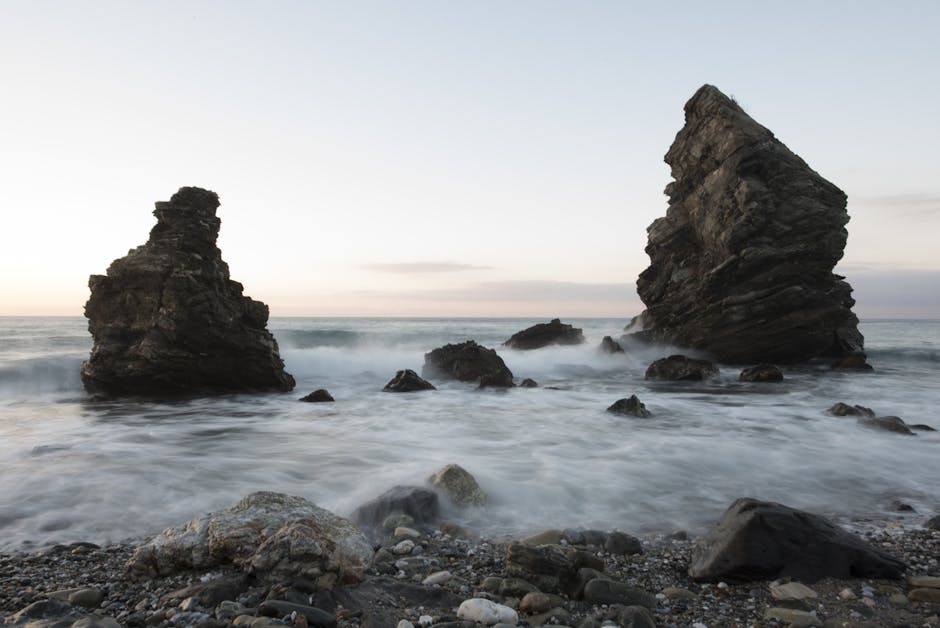
Best Beaches Near Malaga City: Hidden Gems & Local Favorites
The sun-drenched shores of Malaga are where the Mediterranean meets Andalusian charm, creating a coastline that beckons travelers with its golden sands, crystalline waters, and vibrant beachside culture. As one of Spain’s most beloved coastal destinations, Malaga’s beaches offer something for everyone—whether you’re seeking a lively atmosphere with beach bars and water sports or a secluded cove for quiet relaxation. The city’s 16 kilometers of coastline are dotted with both urban beaches, easily accessible from the city center, and more remote stretches perfect for escaping the crowds. From the family-friendly shores of Playa de la Malagueta to the untouched beauty of Playa del Cañuelo in Nerja, each beach has its own unique character. Pair this with Malaga’s year-round sunny weather, and it’s no wonder visitors flock here to soak up the coastal magic. If you’re planning a trip to this part of Andalusia, our guide to Andalusian travel tips can help you make the most of your stay. Whether you’re a sun worshipper, an adventure seeker, or a foodie eager to sample fresh seafood at a chiringuito (beach bar), Malaga’s beaches deliver an unforgettable experience. The city’s rich history, visible in landmarks like the Alcazaba and Roman Theatre, blends seamlessly with its modern beach culture, making it a destination where past and present coexist beautifully. As you explore the coastline, you’ll discover why Malaga is often considered the crown jewel of the Costa del Sol.
Top Beaches Near Malaga City: Table of Contents
- The Best Beaches in Malaga: From Urban Gems to Hidden Coves
- Beach Culture and Practical Tips for Visiting Malaga’s Coastline
- Frequently asked questions about Malaga Beaches: Complete Guide
- Conclusion
The Best Beaches in Malaga: From Urban Gems to Hidden Coves
Malaga’s coastline is a tapestry of diverse beach experiences, each with its own appeal. The most famous of them all, Playa de la Malagueta, is just a short stroll from the city center, making it a favorite among both locals and tourists. This bustling urban beach stretches for 1.2 kilometers and is lined with traditional chiringuitos where you can savor espetos (sardine skewers grilled over an open fire) while watching the sunset. The fine dark sand and calm waters make it ideal for families, while the promenade behind the beach is perfect for an evening paseo (stroll). Nearby, Playa de la Caleta offers a slightly quieter alternative with similar amenities, including showers, sunbed rentals, and beach volleyball courts. For those who prefer a more natural setting, the beaches east of Malaga, such as Playa de las Acacias, provide a peaceful retreat with fewer crowds and stunning views of the surrounding cliffs.
Venture further along the coast, and you’ll discover some of Malaga’s hidden gems. Playa de Pedregalejo, once a fishing village, retains its authentic charm with small coves and a promenade dotted with seafood restaurants. The pebbly shore gives way to clear, shallow waters, making it a great spot for snorkeling. Just a short drive from the city, Playa de El Palo offers a local vibe with its traditional beach bars serving up fresh anchovies and grilled octopus. If you’re willing to explore beyond the city limits, the beaches of Nerja, such as Burriana and Maro, are worth the trip. These beaches boast dramatic backdrops of cliffs and caves, with water so clear it rivals the Caribbean. For more tips on exploring Spain’s coastal treasures, check out our guide to Spain’s best beach destinations.
For those seeking adventure, Malaga’s beaches don’t disappoint. Water sports enthusiasts will find plenty of options, from paddleboarding and kayaking to jet skiing and windsurfing. Playa de la Misericordia, west of the city center, is a hotspot for surfing when the winds pick up, while the calmer waters of Playa de San Andrés are perfect for beginners. Many beaches offer equipment rentals and lessons, making it easy to try something new. If you prefer to stay on land, the coastal promenades are ideal for cycling or rollerblading, with bike rental shops conveniently located near major beaches. The variety of activities ensures that Malaga’s coastline caters to all types of travelers, whether you’re looking for relaxation or adrenaline-pumping fun.
Beach Culture and Practical Tips for Visiting Malaga’s Coastline
Malaga’s beach culture is deeply rooted in Andalusian traditions, and no visit is complete without experiencing a chiringuito. These beachfront restaurants are the heart and soul of the coastline, serving up fresh seafood, ice-cold beers, and the iconic espetos de sardinas. The chiringuitos range from rustic wooden shacks to stylish modern venues, but all share a laid-back vibe that encourages long, leisurely meals by the sea. Some of the best can be found at Playa de la Malagueta and Playa de Pedregalejo, where the scent of grilled fish fills the air. Dining at a chiringuito is as much about the atmosphere as it is about the food, with live music often adding to the festive ambiance. For a truly local experience, visit during the early evening when families gather to enjoy the cooler temperatures and golden light.
When planning your beach day in Malaga, there are a few practical tips to keep in mind. The summer months (June to August) are the busiest, with temperatures often soaring above 30°C (86°F), so arriving early to secure a good spot is advisable. Most urban beaches have amenities like sunbed and umbrella rentals, showers, and lifeguards, but if you’re heading to a more secluded cove, bring your own supplies. Public transportation makes it easy to reach the beaches, with buses running frequently along the coast, and taxis are affordable for shorter distances. Parking can be challenging during peak season, so consider using the city’s bike-sharing system or walking if you’re staying nearby. Don’t forget to pack sunscreen, as the Andalusian sun can be intense even on cloudy days.
Beyond the sand and sea, Malaga’s beaches are often the setting for cultural events and festivals. The city’s annual Feria de Agosto (August Fair) sees the coastline come alive with flamenco performances, fireworks, and beach parties. During Semana Santa (Holy Week), processions sometimes make their way along the promenades, blending religious tradition with the coastal setting. Even outside of festival times, the beaches are a hub of activity, with street performers, artisan markets, and outdoor yoga classes adding to the vibrant atmosphere. Whether you’re visiting for the lively events or the simple pleasure of a day by the water, Malaga’s beaches offer a slice of Andalusian life that’s hard to resist.
Frequently asked questions about Malaga Beaches: Complete Guide
What is the best time of year to visit Malaga’s beaches? The best time to visit Malaga’s beaches depends on your preferences. Summer (June to August) offers the warmest weather and liveliest atmosphere, but it’s also the busiest season. For a more relaxed experience, consider visiting in late spring (April-May) or early autumn (September-October), when temperatures are still pleasant but the crowds have thinned. Even in winter, Malaga’s mild climate makes beach walks enjoyable, though swimming might be too chilly for some. The water is warmest in late summer, perfect for snorkeling and swimming.
Are Malaga’s beaches suitable for families with children? Absolutely! Many of Malaga’s beaches, such as Playa de la Malagueta and Playa de la Caleta, are ideal for families. They feature shallow, calm waters, lifeguards during peak season, and amenities like showers and sunbed rentals. Some beaches even have playgrounds nearby. Playa de Pedregalejo’s small coves are also great for kids, as the waters are protected and shallow. Just be mindful of the midday sun—bring plenty of sunscreen, hats, and water to keep everyone comfortable.
Can you recommend any secluded beaches near Malaga? If you’re looking for quieter spots, head east of Malaga to places like Playa del Cañuelo in Nerja, accessible via a scenic hike or boat ride. Playa de las Acacias and Playa de la Araña also offer a more peaceful setting compared to the urban beaches. For a truly off-the-beaten-path experience, consider visiting the coves around Maro, where crystal-clear waters and dramatic cliffs create a paradise-like atmosphere. These beaches are less developed, so bring your own snacks and water.
What are the must-try foods at Malaga’s beach bars? No visit to Malaga’s beaches is complete without trying espetos de sardinas (sardines grilled on bamboo skewers) at a chiringuito. Other local favorites include boquerones al limón (fresh anchovies marinated in lemon), gambas al ajillo (garlic shrimp), and ensalada malagueña (a refreshing salad with potatoes, oranges, and cod). Pair your meal with a glass of local wine or a tinto de verano (a refreshing mix of red wine and soda). For dessert, try the tropical-flavored ice creams sold by beach vendors.
Conclusion
Malaga’s beaches are a testament to the city’s ability to blend natural beauty with vibrant culture. From the lively shores of Playa de la Malagueta to the tranquil coves of Nerja, each beach offers a unique experience that captures the essence of the Costa del Sol. Whether you’re indulging in fresh seafood at a chiringuito, diving into water sports, or simply basking in the Mediterranean sun, the coastline promises unforgettable moments. The accessibility of these beaches, combined with Malaga’s rich history and warm climate, makes it a top destination for beach lovers year-round.
As you plan your trip, remember to explore beyond the sand—Malaga’s city center, with its Picasso Museum and historic Alcazaba, is just a short distance away. For more inspiration on making the most of your Spanish getaway, check out our guides on Andalusian travel and hidden coastal gems. Whether you’re visiting for a weekend or a longer stay, Malaga’s beaches will leave you with memories of golden sunsets, salty breezes, and the unmistakable charm of southern Spain. So pack your swimsuit, grab your sunscreen, and get ready to discover one of Europe’s most captivating coastlines.