Languages in Spain: Guide to Spanish, Catalan, Basque, and More
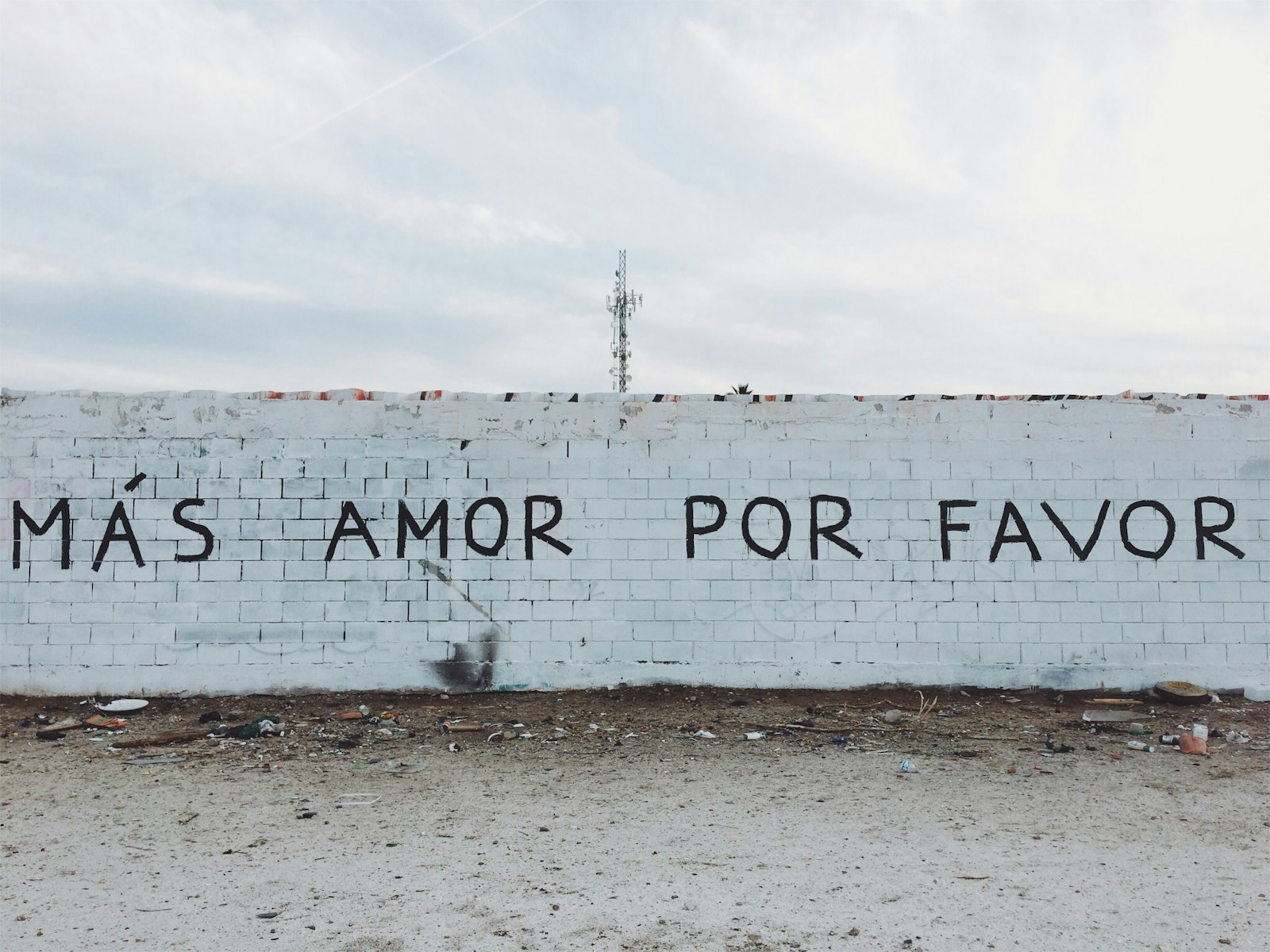
Spain is a linguistically diverse country, home to several languages that reflect its rich cultural heritage. While Spanish (Castilian) is the official language spoken throughout the nation, regions like Catalonia, the Basque Country, and Galicia have their own distinct languages. Understanding the linguistic landscape of Spain is essential for travelers, expats, and anyone interested in the country’s culture. This guide explores the major languages spoken in Spain, including Spanish, Catalan, Basque, and Galician, as well as their historical and cultural significance. Whether you’re planning to visit or move to Spain, knowing about these languages will enhance your experience and help you connect with locals on a deeper level.
Spanish (Castilian): The National Language
Spanish, known as Castilian in Spain, is the official language of the country and is spoken by nearly all Spaniards. It originated in the Castile region during the Middle Ages and became the dominant language through the Reconquista and the unification of Spain. Today, Spanish is the primary language used in government, education, and media across the nation. It is also one of the most widely spoken languages globally, with over 500 million speakers worldwide. Learning Spanish is crucial for anyone living or traveling in Spain, as it serves as the lingua franca in most regions.
Despite its dominance, Spanish varies slightly across different parts of Spain. For example, Andalusian Spanish is characterized by its distinctive pronunciation and vocabulary, while Canarian Spanish incorporates influences from Latin America. These regional variations add to the richness of the language and reflect Spain’s diverse cultural history. Additionally, Spanish is taught as a second language in many countries, making it a valuable skill for international communication. Whether you’re visiting Madrid, Seville, or Barcelona, speaking Spanish will open doors to deeper cultural understanding.
Catalan: The Language of Catalonia
Catalan is a Romance language spoken in Catalonia, the Balearic Islands, and Valencia, where it is known as Valencian. It has its roots in the medieval Kingdom of Aragon and has been a symbol of cultural identity for Catalans for centuries. Today, Catalan is co-official with Spanish in Catalonia and is used in schools, government, and media. It is spoken by approximately 10 million people, making it one of the most widely spoken regional languages in Europe.
Catalan is not just a language but a cornerstone of Catalan culture, closely tied to the region’s history, literature, and traditions. Writers like Jacint Verdaguer and Mercè Rodoreda have contributed significantly to Catalan literature, while festivals like La Diada celebrate Catalan identity. For visitors to Barcelona or the Costa Brava, learning a few phrases in Catalan can be a meaningful way to connect with locals. Although Spanish is widely understood, using Catalan shows respect for the region’s heritage and fosters goodwill.
Basque: A Unique and Ancient Language
Basque, or Euskara, is a language isolate spoken in the Basque Country and parts of Navarre. Unlike Spanish, Catalan, and Galician, Basque is not a Romance language and has no known linguistic relatives. Its origins remain a mystery, making it one of the oldest languages in Europe. Basque is spoken by around 750,000 people and is co-official with Spanish in the Basque Autonomous Community. It is a vital part of Basque identity and culture.
The Basque language has faced challenges throughout history, including suppression during the Franco regime. However, efforts to revive and promote Basque have been successful, particularly through education programs like the Ikastola system. Today, Basque is used in schools, media, and daily life, and its preservation is a source of pride for Basques. Visitors to cities like Bilbao or San Sebastián will notice Basque signage and hear the language spoken in public spaces. While learning Basque can be challenging, even a basic understanding can enrich your experience in this unique region.
Galician: The Language of Galicia
Galician, or Galego, is a Romance language spoken in the northwestern region of Galicia. It shares a common origin with Portuguese and is spoken by around 2.4 million people. Galician is co-official with Spanish in Galicia and is used in education, media, and government. It is an integral part of Galician identity and culture, with a rich literary tradition dating back to the Middle Ages.
Galician is closely related to Portuguese, and some linguists consider them dialects of the same language. However, Galician has evolved independently and has its own unique characteristics. Writers like Rosalía de Castro and Manuel Rivas have contributed significantly to Galician literature, while festivals like the Festa do Marisco celebrate Galician culture. For travelers visiting Santiago de Compostela or the Costa da Morte, learning a few Galician phrases can enhance your experience and show appreciation for the region’s heritage.
Other Regional Languages and Dialects
In addition to Spanish, Catalan, Basque, and Galician, Spain is home to several other regional languages and dialects. For example, Aragonese is spoken in parts of Aragon, while Asturian is used in Asturias. These languages, though less widely spoken, are important to the cultural identity of their regions. Similarly, dialects like Andalusian Spanish and Canarian Spanish add to the linguistic diversity of the country.
Efforts to preserve these languages are ongoing, with many regional governments promoting their use in education and media. For travelers, encountering these languages can be a fascinating glimpse into Spain’s rich cultural tapestry. While Spanish remains the most practical language for communication, recognizing and respecting regional languages can deepen your understanding of Spain’s diversity.
Language Policies and Education in Spain
Spain’s linguistic diversity is reflected in its language policies, which aim to balance the promotion of regional languages with the use of Spanish as the national language. In regions like Catalonia, the Basque Country, and Galicia, regional languages are taught in schools alongside Spanish. This bilingual education system ensures that students are proficient in both languages and fosters a sense of cultural pride.
However, language policies have sometimes been a source of political tension, particularly in Catalonia and the Basque Country. Debates over language use in education and government highlight the complex relationship between language and identity in Spain. For expats and travelers, understanding these dynamics can provide valuable context for navigating Spain’s linguistic landscape.
Frequently asked questions about languages in Spain
- Is Spanish the only official language in Spain? No, while Spanish (Castilian) is the national language, regions like Catalonia, the Basque Country, and Galicia have co-official languages such as Catalan, Basque, and Galician.
- Can I get by with only Spanish in Spain? Yes, Spanish is widely spoken throughout Spain, and most Spaniards understand it. However, learning a few phrases in regional languages can enhance your experience.
- How different is Catalan from Spanish? Catalan is a distinct Romance language with its own grammar and vocabulary. While it shares similarities with Spanish, it is not mutually intelligible.
- Is Basque related to any other language? No, Basque is a language isolate with no known linguistic relatives, making it unique among European languages.
For more information about Spain’s cultural diversity, check out our guides on Spanish culture and regional destinations. Whether you’re planning a trip or considering a move, understanding Spain’s languages will help you connect with its rich heritage.