Public Holidays in Spain: Complete Guide to Spanish Festivals and Celebrations
Spain’s public holidays and festivals offer a vibrant tapestry of cultural traditions that reflect the country’s rich history and regional diversity. From nationally celebrated dates to local fiestas that transform entire cities, these events provide unique insights into Spanish identity. The Spanish calendar includes fourteen official public holidays annually, with eight designated nationally and six determined by regional governments. These celebrations range from solemn religious observances to exuberant street parties featuring music, dancing, and elaborate costumes. Understanding Spain’s holiday calendar is essential for residents and visitors alike to fully appreciate the country’s cultural rhythm and plan activities accordingly.
Table of Contents
- National Public Holidays in Spain
- Regional Holidays and Local Festivals
- Important Religious Celebrations
- Unique Cultural Festivals
- Practical Considerations for Visitors
- Historical Origins of Spanish Holidays
- Frequently asked questions about Spanish public holidays
National Public Holidays in Spain
Spain’s national holidays are observed uniformly across all autonomous communities, creating moments of national unity. January 1st marks New Year’s Day (Año Nuevo), celebrated with family gatherings and the traditional eating of twelve grapes at midnight. May 1st is Labor Day (Día del Trabajo), when workers’ rights are commemorated through demonstrations and peaceful protests. October 12th celebrates National Day (Fiesta Nacional de España), commemorating Columbus’s arrival in America with military parades in Madrid. December 25th is Christmas Day (Navidad), featuring elaborate nativity scenes and special church services throughout the country. These national holidays provide fixed points in the annual calendar when businesses close and families come together.
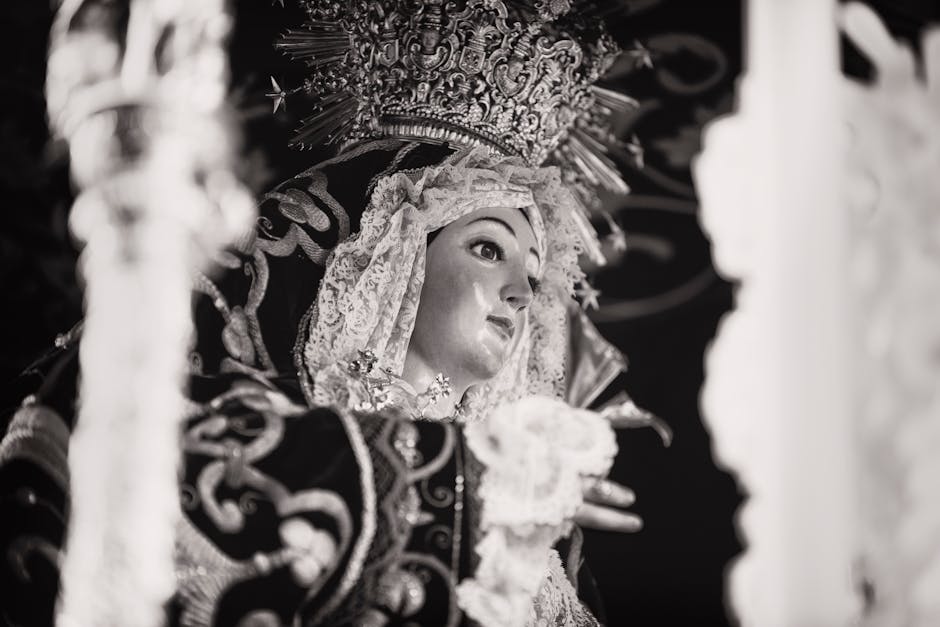
Religious holidays form a significant portion of Spain’s national celebrations, reflecting the country’s Catholic heritage. Epiphany on January 6th (Día de Reyes) is particularly cherished by children, who receive gifts from the Three Wise Men during colorful parades. Good Friday (Viernes Santo) features solemn processions with religious statues carried through streets in most towns and cities. August 15th marks the Assumption of Mary (Asunción de la Virgen), when many Spaniards take summer vacations and coastal towns fill with visitors. November 1st is All Saints’ Day (Día de Todos los Santos), when families visit cemeteries to honor deceased relatives with flowers and prayers. These religious holidays demonstrate how faith remains intertwined with Spanish cultural identity.
Regional Holidays and Local Festivals
Spain’s autonomous communities each have their own distinctive holidays that showcase regional pride and traditions. Catalonia celebrates La Diada on September 11th, commemorating the fall of Barcelona in 1714 with political demonstrations and cultural events. Andalusia’s Day on February 28th features flamenco performances and regional food fairs across southern Spain. The Valencian Community honors Saint Vincent Martyr on January 22nd with special masses and local celebrations. Galicia marks its national day (Día Nacional de Galicia) on July 25th, coinciding with the feast of Saint James, the region’s patron saint. These regional holidays often include school closures and reduced public transportation schedules.
Local festivals transform Spanish towns into vibrant showcases of tradition and community spirit. Seville’s April Fair (Feria de Abril) fills the city with flamenco dresses, horse-drawn carriages, and casetas (decorated tents) serving sherry and tapas. Pamplona’s Running of the Bulls during the San Fermín festival in July attracts international attention with its dangerous morning encierros. Valencia’s Fallas in March features enormous satirical sculptures that are eventually burned in spectacular bonfires. Málaga’s August Fair (Feria de Málaga) combines flamenco, bullfights, and late-night celebrations along the Costa del Sol. These local festivals often incorporate centuries-old traditions while adapting to contemporary tastes.
Important Religious Celebrations
Semana Santa (Holy Week) represents Spain’s most significant religious observance, particularly in Andalusia and Castile. Processions featuring elaborate floats (pasos) carried by religious brotherhoods (cofradías) occur daily from Palm Sunday to Easter Sunday. Seville’s Semana Santa is internationally renowned for its emotional saeta songs performed spontaneously to passing floats. Toledo’s celebrations maintain medieval traditions with hooded penitents carrying heavy crosses through narrow streets. Murcia’s processions stand out for their colorful floral decorations and unique “throne” floats. These solemn celebrations attract thousands of visitors annually and require careful planning for accommodation and transportation.
Corpus Christi celebrations in June showcase Spain’s blend of religious devotion and folk traditions. Toledo’s procession features medieval banners and the famous Monstrance of Arfe, a priceless gold and silver vessel. Sitges near Barcelona creates elaborate flower carpets along procession routes. Granada combines religious observance with Moorish influences in its celebrations. Ponteareas in Galicia constructs intricate floral arches over streets for its Corpus Christi festival. These events demonstrate how Catholic traditions have adapted to local cultures across Spain’s diverse regions.
Unique Cultural Festivals
Spain’s calendar includes several distinctive festivals that blend history, religion, and popular culture. The Tomatina in Buñol (Valencia) each August transforms the town into a massive tomato-throwing battle attracting international participants. The Burial of the Sardine (Entierro de la Sardina) marks the end of Carnival with satirical processions and effigy burnings in Madrid and Murcia. The Haro Wine Festival in La Rioja features the Batalla del Vino where participants drench each other in red wine. The Tamborrada in San Sebastián on January 20th fills the city with 24 hours of continuous drumming by thousands of participants. These unconventional celebrations showcase Spain’s capacity for combining tradition with joyful chaos.
Winter festivals bring light and warmth to Spain’s coldest months through imaginative traditions. The Festival of Light in Vitoria-Gasteiz illuminates the city with spectacular light installations each January. The Fiesta de las Candelas in Canary Islands features bonfires and folk dancing on February 2nd. The End of Winter Festival (Fiesta de Fin de Invierno) in Soria includes torchlight processions and ancient Celtic-inspired rituals. The Carnival of Santa Cruz de Tenerife rivals Rio de Janeiro with its extravagant costumes and parades. These winter celebrations demonstrate how Spaniards combat seasonal darkness with creativity and community spirit.
Practical Considerations for Visitors
Travelers should prepare for significant disruptions during major Spanish holidays and festivals. Public transportation often operates reduced schedules on holidays, with some regional trains and buses not running at all. Museums and attractions may have special hours or complete closures, particularly on Christmas Day and New Year’s Day. Hotels in festival cities like Pamplona or Seville require bookings months in advance and charge premium rates. Many restaurants close for family celebrations on holidays like Christmas Eve (Nochebuena) and New Year’s Eve (Nochevieja). Planning itineraries around these closures ensures a smoother travel experience.
Participating in Spanish festivals requires understanding local customs and safety considerations. Traditional events like bull runs or fire festivals involve real dangers that demand caution and respect for organizers’ instructions. Festival attire often follows unwritten rules – from formal wear for Seville’s April Fair to all-white clothing with red accessories in Pamplona. Photography restrictions may apply during religious processions, particularly when capturing penitents’ faces. Learning basic festival vocabulary (like “¡Viva!” for cheers or “guiri” for foreigner) helps visitors connect with locals. These practical tips enhance enjoyment while showing respect for Spanish traditions.
Historical Origins of Spanish Holidays
Many Spanish holidays trace their origins to medieval Christian traditions blended with older pagan rituals. The summer solstice celebrations evolved into the Night of San Juan (June 23-24), featuring beach bonfires and midnight swims. Carnival season before Lent preserves elements of ancient Roman Saturnalia festivals through costume and role reversal. The Moros y Cristicos festivals in eastern Spain reenact medieval battles between Moors and Christians with elaborate pageantry. The Romería pilgrimages combine religious devotion with springtime celebrations of nature’s renewal. These historical layers make Spanish holidays fascinating windows into cultural evolution.
Modern political history has also shaped Spain’s holiday calendar in significant ways. Constitution Day (December 6th) commemorates the 1978 referendum that established Spain’s democratic system. The Day of the Armed Forces (May 24th) honors military service with open-base events and aerial demonstrations. Regional holidays like Catalonia’s La Diada or the Basque Country’s Aberri Eguna reflect ongoing national identity discussions. The designation of holidays has occasionally sparked political debates about which historical events deserve commemoration. Understanding these contemporary contexts adds depth to appreciating Spain’s public celebrations.
Frequently asked questions about Spanish public holidays
- How many public holidays does Spain have each year? Spain has fourteen official public holidays annually – eight national holidays observed across the country and six regional holidays determined by each autonomous community.
- What is the most important holiday in Spain? While opinions vary, Christmas (Navidad) and Semana Santa (Holy Week) are generally considered the most culturally significant, combining religious importance with extensive family traditions.
- Do all businesses close on public holidays in Spain? Most businesses close on national holidays, though some restaurants, museums, and essential services remain open with reduced hours. Regional holidays may see more variation in closures depending on location.
- How far in advance should I book accommodation for major festivals? For popular events like Pamplona’s Running of the Bulls or Seville’s April Fair, reservations should be made at least six months in advance as hotels fill quickly and prices rise significantly.
For more insights into Spanish culture, explore our guides to regional cuisine or traditional music. To plan your visit around these colorful celebrations, check our month-by-month travel calendar highlighting the best events throughout the year.