
Málaga Weather & Climate: Your Complete Guide to Year-Round Sunshine
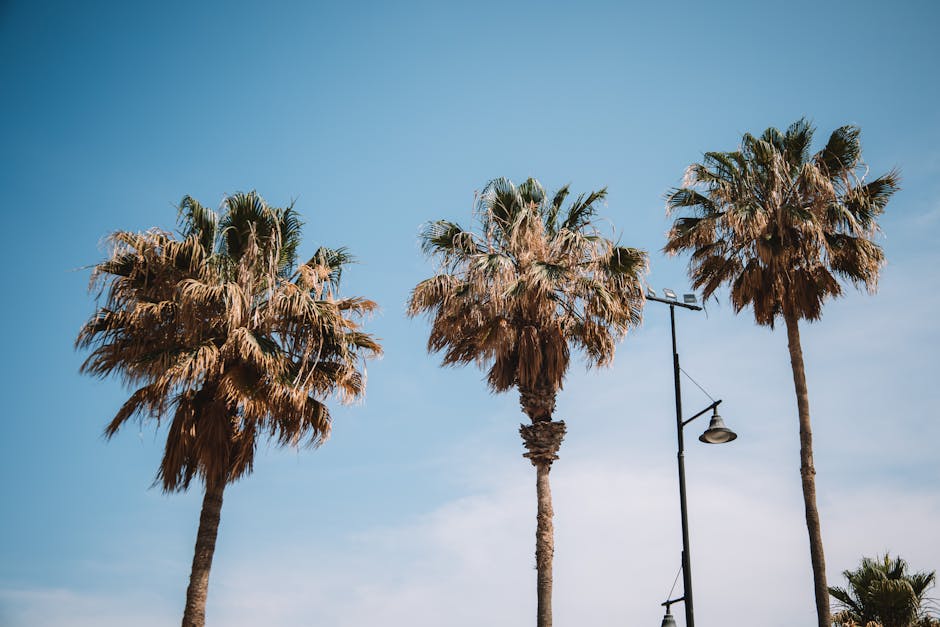
Planning a trip to Málaga means understanding its famously pleasant Mediterranean climate that makes this coastal city enjoyable nearly year-round. With over 300 days of sunshine annually, Málaga boasts one of Europe’s most temperate weather patterns where winters remain mild and summers are hot but moderated by sea breezes. The city’s unique microclimate results from its sheltered position between mountains and the Mediterranean, creating ideal conditions for beachgoers, culture seekers, and outdoor enthusiasts alike. While summer temperatures regularly reach 30-35°C (86-95°F), the humidity stays comfortable compared to other Spanish coastal destinations, and refreshing evening breezes make al fresco dining a nightly pleasure. From April through October, you’ll find perfect conditions for exploring historic sites like the Alcazaba fortress or lounging on La Malagueta beach, while winter months offer crisp, sunny days ideal for museum hopping through Picasso’s birthplace.
Understanding Málaga’s Mediterranean Climate
Málaga enjoys a classic Mediterranean climate characterized by long, dry summers and short, mild winters with most rainfall occurring between November and February. The city’s average annual temperature hovers around 18-20°C (64-68°F), with January being the coldest month at 12°C (54°F) and August the hottest at 29°C (84°F). What makes Málaga particularly special is its microclimate created by the Montes de Málaga mountains that shield the city from cold northern winds while allowing warm sea breezes to regulate temperatures. This results in fewer extreme weather fluctuations than other parts of Andalusia, making it a reliable destination regardless of season. The Mediterranean Sea acts as a natural temperature regulator, keeping winters about 5°C warmer than inland areas while preventing summer heat from becoming unbearable like in Seville or Córdoba.
Monthly Weather Breakdown
January and February bring Málaga’s coolest weather with average highs of 16-17°C (61-63°F) and lows around 8-9°C (46-48°F), though sunny days still dominate with only about 6-8 rainy days per month. Spring (March-May) sees temperatures climbing steadily from 18°C in March to 23°C in May with minimal rainfall, making this prime time for hiking in El Torcal Natural Park or strolling through the historic center. Summer (June-August) delivers classic beach weather with July and August averaging 30-32°C (86-90°F) highs and sea temperatures reaching 23°C (73°F), perfect for watersports at Playa de la Misericordia. Autumn (September-November) offers a gradual cooling from 28°C in September to 20°C in November with occasional rain showers that green the surrounding hillsides beautifully.
Best Times to Visit for Specific Activities
Beach lovers will find June through September ideal for swimming and sunbathing, though May and October often provide warm enough weather with fewer crowds at popular spots like Playa de Pedregalejo. Cultural travelers should consider April-May or September-October when daytime temperatures in the low-mid 20s°C (70s°F) make exploring architectural gems like the Roman Theatre and Cathedral comfortable without summer’s intense heat. Hikers and outdoor enthusiasts will appreciate spring (March-May) when wildflowers bloom across the Montes de Málaga and temperatures are perfect for tackling the Caminito del Rey trail. Foodies planning to sample Málaga’s famous espetos (sardine skewers) at beachfront chiringuitos like El Tintero will want to visit between May and October when these seasonal restaurants operate at full capacity.
Packing Tips by Season
Summer visitors should pack light, breathable clothing, high SPF sunscreen, a wide-brimmed hat, and swimwear while leaving heavy fabrics at home – evenings rarely require more than a light sweater even in peak summer. Spring and autumn travelers need versatile layers including light jackets for cooler mornings and evenings, comfortable walking shoes for exploring the historic center’s cobbled streets, and perhaps a compact umbrella for occasional showers. Winter packers will want a warm jacket for December-February evenings when temperatures can dip to 8°C (46°F), though daytime outfits should still include lighter options for sunny 16-18°C (61-64°F) afternoons perfect for terrace coffees. Regardless of season, proper sun protection remains essential given Málaga’s 2,800+ annual sunshine hours – polarized sunglasses and reef-safe sunscreen are musts even on cloudy winter days.
Seasonal Events and Weather Considerations
Málaga’s famous Holy Week (Semana Santa) processions in March/April occur during pleasantly mild spring weather, though occasional rain might require packing a compact umbrella. The summer Feria de Málaga in August transforms the city with flamenco and festivities, but be prepared for intense midday heat that makes siesta breaks essential – locals schedule major events for cooler evening hours. Autumn brings the Málaga Film Festival in March when temperatures allow comfortable outdoor screenings, while winter visitors can enjoy Christmas markets and lights in December’s crisp but sunny weather averaging 16°C (61°F). The January sales shopping period offers bargain hunting in comfortable conditions far milder than northern Europe, with hotel rates at yearly lows and museums pleasantly uncrowded.
Extreme Weather and Safety Tips
While Málaga rarely experiences extreme weather, occasional summer heatwaves can push temperatures above 40°C (104°F) in July/August – stay hydrated, seek shade during 1-5pm peak heat, and take advantage of air-conditioned museums like the Pompidou Center. Flash floods are possible during rare but intense autumn rainstorms, particularly in October/November when dry riverbeds (ramblas) can suddenly fill – avoid low-lying areas during heavy rainfall. Winter sees minimal extreme conditions though occasional strong easterly Levante winds may briefly disrupt ferry services to nearby destinations like Melilla. For real-time updates, consult AEMET (Spain’s meteorological agency) or the helpful weather displays along Málaga’s promenade showing daily forecasts and UV indexes.
Frequently Asked Questions
What is the rainiest month in Málaga? November typically sees the most rainfall with about 100mm spread over 6-8 days, though showers are usually brief and followed by sunshine. December and January follow closely with 80-90mm monthly averages.
Does Málaga get cold in winter? By northern European standards, Málaga winters are mild with December-February daytime highs around 16-18°C (61-64°F) and nighttime lows rarely below 6°C (43°F). You’ll need a jacket but rarely heavy winter coats.
When is sea warmest for swimming? The Mediterranean reaches comfortable swimming temperatures (22°C/72°F+) from June through October, peaking at 24-25°C (75-77°F) in August/September when water feels like a warm bath.
Are there mosquitoes in Málaga? Some areas near standing water may have mosquitoes in warmer months. Pack repellent if staying near the Guadalhorce river mouth or booking rural accommodations in the surrounding hills.
For more detailed planning, explore our Málaga city guide covering top attractions and culinary highlights to complement your weather-prepared itinerary.