
Telephone and Internet in Spain: Complete Guide for Travelers
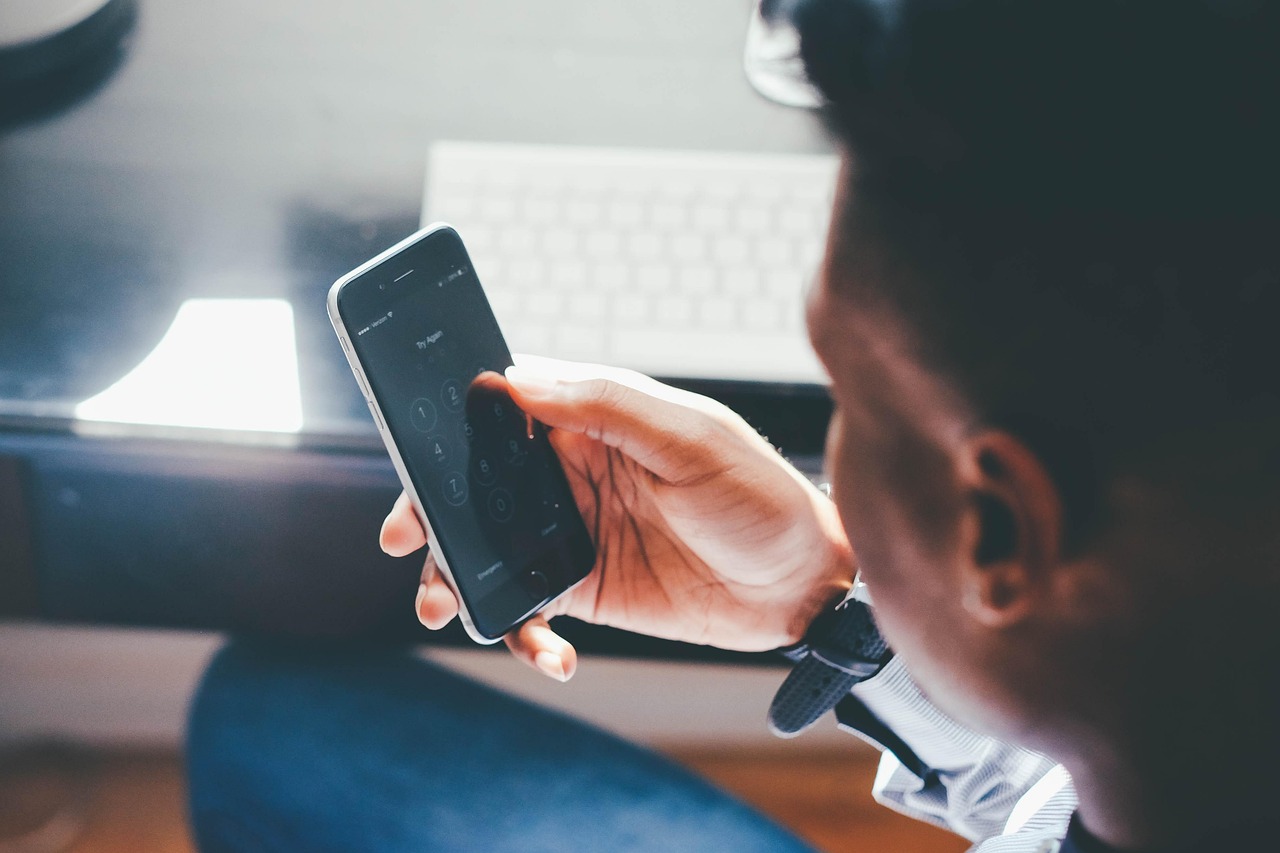
Staying connected while traveling in Spain is essential for navigation, communication, and accessing important information. Spain boasts modern telecommunications infrastructure with widespread 4G/5G coverage and extensive public Wi-Fi networks. Understanding the local telephone and internet options can save travelers significant costs and hassle. This comprehensive guide covers everything from SIM card purchases to data plans, public Wi-Fi hotspots, and communication apps. Whether you’re visiting for a short trip or an extended stay, this information will help you stay connected efficiently throughout your Spanish journey.
Mobile Network Operators in Spain
Spain has three major mobile network operators: Movistar, Vodafone, and Orange. Movistar, owned by Telefónica, is the largest provider with the most extensive coverage nationwide. Vodafone offers competitive international packages that may benefit travelers needing to call abroad frequently. Orange provides excellent value prepaid plans with generous data allowances. In addition to these primary operators, several virtual network operators (MVNOs) like Yoigo, MásMóvil, and Pepephone offer cheaper alternatives with slightly reduced coverage. All providers offer 4G/LTE coverage across urban areas, with 5G rapidly expanding in major cities like Madrid and Barcelona.
When choosing a provider, consider your specific needs regarding data usage, call minutes, and coverage areas. Movistar generally has the best rural coverage, while Vodafone and Orange perform exceptionally well in urban centers. Most providers offer prepaid (tarjeta prepago) options that don’t require a Spanish ID or contract, making them ideal for travelers. Data packages typically range from 5GB to unlimited, with prices starting around €10-15 per month. Many providers now include EU roaming in their plans, allowing you to use your Spanish SIM card throughout Europe without additional charges.
Purchasing and Activating a Spanish SIM Card
Travelers can easily purchase SIM cards at airports, official operator stores, supermarkets, or tobacconists (estancos). Airport kiosks often charge slightly higher prices but provide immediate connectivity upon arrival. Official stores offer the advantage of staff assistance with registration and activation, which can be helpful for non-Spanish speakers. Supermarkets like Carrefour and El Corte Inglés frequently sell SIM cards at competitive prices, sometimes bundled with initial credit. The registration process requires a passport or national ID card due to Spanish anti-terrorism laws, and the store will typically handle the paperwork for you.
Activation usually occurs within 24 hours, though many SIMs provide immediate limited service. Prepaid SIM cards typically cost €10-20, including some initial credit that can be used for calls, texts, or data packages. Top-up options (recarga) are widely available at ATMs, supermarkets, or online through provider websites and apps. Some providers offer special tourist SIMs with English-language customer service and short validity periods (7-30 days). Be aware that Spanish SIM cards may expire if not used or recharged within certain periods (usually 3-6 months), so they’re less suitable for infrequent visitors.
Public Wi-Fi Availability and Usage
Spain offers extensive public Wi-Fi networks, particularly in urban areas and tourist destinations. Many cities provide free municipal Wi-Fi in central squares, parks, and public buildings – look for networks named “Ayuntamiento” (city hall) or the city name followed by “Wifi”. Cafés, restaurants, and bars almost universally offer customer Wi-Fi, though some may require a purchase or ask for a password. Chain establishments like Starbucks, McDonald’s, and Fnac typically provide reliable free access. Hotels and hostels usually include Wi-Fi, though quality varies significantly from high-speed connections to barely functional networks.
When using public Wi-Fi, security should be a primary concern. Avoid accessing sensitive accounts or conducting financial transactions on unsecured networks. Consider using a VPN (Virtual Private Network) to encrypt your connection when using public hotspots. Some cities like Barcelona and Madrid have developed extensive free Wi-Fi zones covering entire neighborhoods. Transportation hubs including airports, train stations, and major bus terminals provide Wi-Fi, though time limits or registration may apply. The Spanish government has also implemented WiFi4EU initiative, providing free internet access in thousands of municipalities across the country.
Internet Cafés and Alternative Connectivity Options
While traditional internet cafés have declined with smartphone ubiquity, they still exist in tourist areas and larger cities. These establishments typically charge €1-3 per hour for computer access and printing services. Public libraries (bibliotecas públicas) offer free internet access, though you may need to register or show ID. Some shopping centers have dedicated internet zones or media lounges where visitors can connect their devices. Coworking spaces have proliferated in Spanish cities and often sell day passes (€10-20) that include high-speed internet, workspace, and amenities.
For travelers needing frequent connectivity, portable Wi-Fi routers (mifi devices) can be rented at airports or ordered online for delivery to your accommodation. These devices allow multiple gadgets to connect simultaneously and can be more economical than individual SIMs for groups. Some hotels and vacation rentals provide portable hotspots for guest use. Another option is purchasing an international roaming package from your home provider, though these are typically more expensive than local Spanish options. Satellite internet services exist for remote areas but are generally impractical for most travelers due to cost and equipment requirements.
Communication Apps and Services
Popular messaging apps like WhatsApp dominate Spanish communication, with nearly universal usage among locals. Facebook Messenger and Telegram also see significant adoption, while traditional SMS texting has declined. For international calls, services like Skype, Zoom, and Google Meet offer cost-effective alternatives to traditional phone services. Many Spanish businesses now use WhatsApp for customer service, so having the app installed can facilitate reservations and inquiries. Voice over IP (VoIP) services generally work well on Spanish networks, though some providers may throttle these services on certain data plans.
When calling Spanish phone numbers from abroad, the country code is +34, and local numbers typically have nine digits. Landline numbers often start with 9 (Madrid), 93 (Barcelona), or other regional prefixes, while mobile numbers usually begin with 6 or 7. Toll-free numbers start with 900, while premium rate numbers begin with 901-905. Emergency services can be reached at 112 throughout Spain, with operators typically speaking English and other major languages. For directory assistance, dial 11811 or 11888, though these services may charge premium rates.
Internet Speeds and Connectivity Quality
Spain ranks among European leaders in fiber optic broadband penetration, with average fixed-line speeds exceeding 100 Mbps in urban areas. Mobile data speeds vary by location but typically range from 20-100 Mbps on 4G networks, with 5G offering 100-300 Mbps in covered zones. Rural areas may experience slower connections or limited coverage, particularly in mountainous regions. Network congestion can occur during peak hours in tourist-heavy areas, potentially reducing speeds. The Spanish government’s Digital Spain 2025 plan aims to provide 100 Mbps connectivity to all citizens, further improving the country’s already robust digital infrastructure.
When experiencing connectivity issues, several troubleshooting steps can help. Restarting your device often resolves temporary network problems. Checking for carrier settings updates ensures your phone uses the latest network configurations. Manually selecting a network operator (instead of automatic selection) can sometimes improve reception. Many providers offer coverage maps on their websites showing expected signal strength by location. For consistent problems, consider purchasing a signal booster or switching to a provider with better coverage in your specific area of travel.
Frequently asked questions about telephone and internet in Spain
- Can I use my foreign SIM card in Spain? Most modern phones will work with Spanish SIM cards, but check your device’s compatibility with European GSM networks. Many providers offer affordable roaming packages for short visits.
- How much does mobile data cost in Spain? Prepaid data packages start around €10 for 5GB, with unlimited plans available for €20-30 per month. Tourist SIMs often bundle data with some call minutes.
- Is free Wi-Fi widely available in Spain? Yes, most cities offer municipal Wi-Fi in central areas, and cafés/restaurants typically provide customer access. However, speeds and reliability vary significantly.
- What’s the best mobile provider for travelers? For short stays, consider Orange or Vodafone’s tourist SIMs. Longer-term visitors might prefer Movistar for its extensive coverage or MVNOs for better value.
For more detailed information about specific locations, check out our city guides to Madrid and Barcelona, or explore our comprehensive Living in Spain resources for long-term connectivity solutions.